



Oral Cancer
Oral cancer is cancer that starts in the mouth, on the lips, tongue, cheeks, gums, floor or roof of the mouth. A sore that does not heal in two weeks, a white or red patch, or an unexplained lump needs a dentists examination. At Dental Comfort Zone in Patna we examine and screen, help arrange a biopsy and imaging, and refer you to cancer specialists for treatment. A mouth sore is usually nothing serious. But oral cancer can look harmless in the beginning and is often painless at first, so changes that last should not be ignored. Finding it early gives you more treatment options and better outcomes. This page explains the warning signs, who is at risk, how it is diagnosed, how it is treated, and what a visit to our clinic involves.
Book Appointment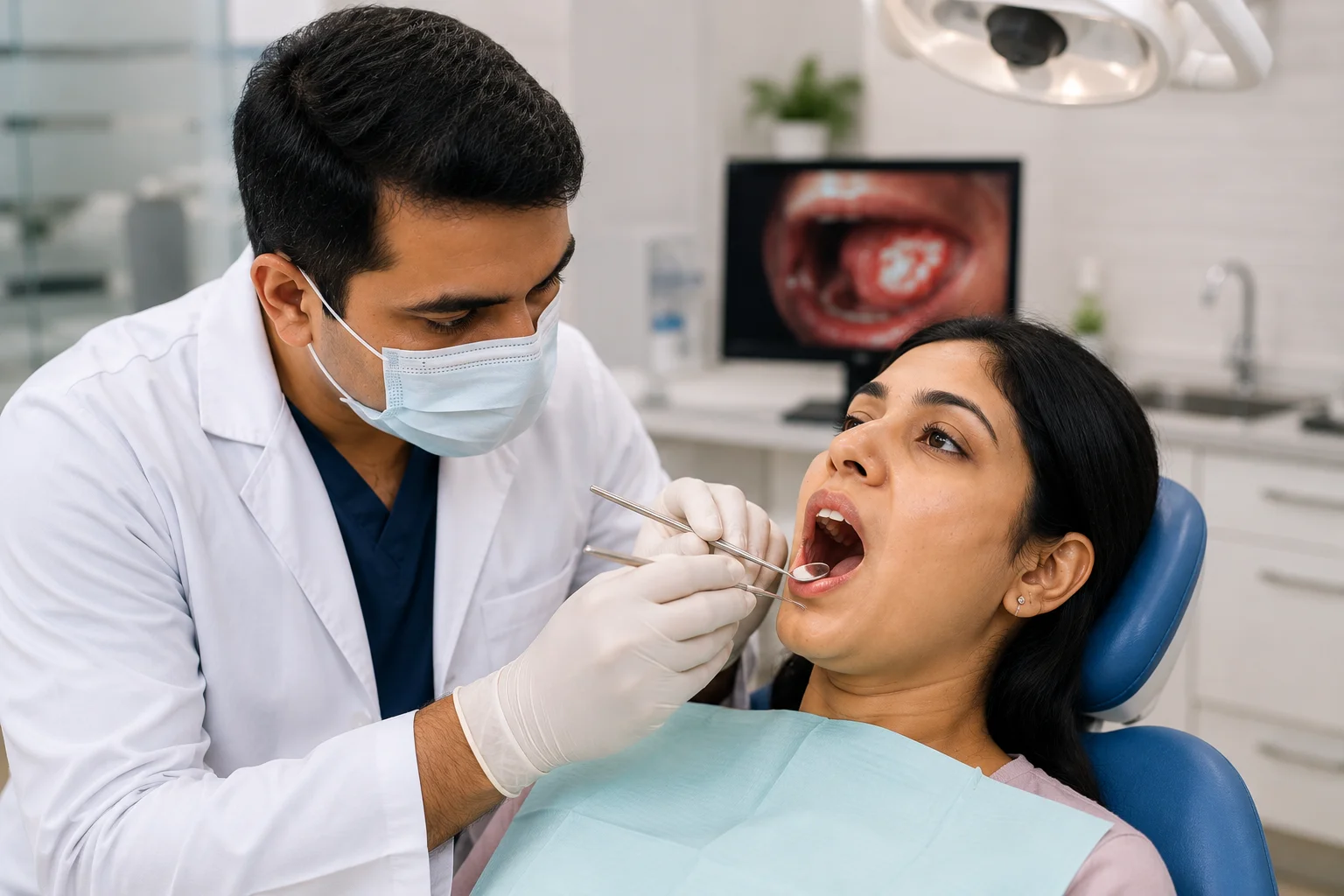
Services

Gum Cancer
Gum cancer begins in the gum tissue and may cause swelling, bleeding, or loose teeth. It's often mistaken for gum disease, so a proper dental check-up helps confirm the actual cause early.

Cheek (Buccal) Cancer
Cheek or buccal cancer forms on the inner lining of the cheeks, often appearing as a persistent ulcer or thick patch. Common in tobacco users, it's best caught early through routine screening.

Palate Cancer
Palate cancer affects the roof of the mouth, sometimes making swallowing or speaking uncomfortable. Routine oral exams help identify unusual changes here, which are otherwise easy to miss.
Oral Cancer Care at a Glance
|
Question |
Answer |
|
What we do |
Examination, screening, biopsy and imaging guidance, referral, dental care alongside cancer treatment |
|
What the cancer team does |
Surgery, radiation, chemotherapy, targeted therapy |
|
Warning sign to act on |
Any sore, patch or lump lasting more than two weeks |
|
Highest-risk habits |
Tobacco (smoked or chewed), gutka, khaini, paan and areca nut, alcohol |
|
Check-up frequency |
At every routine visit, about every six months |
|
Clinic location |
Boring Patliputra Road, Patna, Bihar 800013 |
|
Hours |
Mon–Sat 10:00 am–8:00 pm, Sun 10:00 am–2:00 pm |
What Is Oral Cancer?
Oral cancer is a condition in which abnormal cells grow out of control inside the mouth. It can start on the lips, tongue, inner cheeks, gums, floor of the mouth or roof of the mouth. It is sometimes called mouth cancer. Because the mouth is easy to see and examine, early changes can often be caught during a simple check-up.
What Are the Warning Signs of Oral Cancer?
The main warning sign is any change in your mouth that lasts more than two weeks. Watch for:
-
A mouth ulcer or sore that does not heal
-
A white or red patch on the tongue, gums or cheek
-
A lump, thickening or rough area
-
Bleeding in the mouth without a clear reason
-
Numbness, or pain when chewing or swallowing
-
Difficulty moving the tongue or opening the mouth
-
A change in how your teeth or dentures fit
-
A lump in the neck
Many of these have simple causes. The point is not to panic, but to get anything that lasts checked.
Can a Mouth Ulcer Be Oral Cancer?
Most mouth ulcers are not cancer. Here is how an ordinary ulcer differs from one that needs urgent attention.
|
Ordinary mouth ulcer |
Ulcer that needs examination |
|
|
Healing time |
Heals in one to two weeks |
Lasts longer than two weeks |
|
Pain |
Usually painful |
Often painless at first |
|
Cause |
Bitten cheek, sharp tooth, stress |
No clear cause |
|
Feel and look |
Soft, with a clear edge |
Hard, raised or bleeding, sometimes with a red or white patch |
|
Recurrence |
Different spots |
Same spot again and again |
If an ulcer fits the right-hand column, see a dentist promptly. You can also read about mouth ulcer treatment for ordinary ulcers.
What Are the Types of Oral Cancer?
|
Type |
Where it starts |
Signs to watch for |
|
Tongue cancer |
Front or side of the tongue |
Pain, ulcer, difficulty speaking |
|
Lip cancer |
Usually the lower lip |
A sore or lump that does not heal |
|
Gum cancer |
Gum tissue |
Swelling, bleeding, loose teeth |
|
Cheek (buccal) cancer |
Inner lining of the cheek |
Persistent ulcer or thick patch |
|
Palate cancer |
Roof of the mouth |
Discomfort when swallowing or speaking |
|
Floor of mouth cancer |
Under the tongue |
Swelling, pain, difficulty moving the tongue |
Gum cancer can look like gum disease, so a proper examination matters. See gum treatment if your gums bleed or swell.
Who Is at Higher Risk of Oral Cancer?
Risk is higher if you:
-
Smoke or chew tobacco, including gutka, khaini, zarda and paan with tobacco
-
Chew areca nut (supari) or betel quid, even without tobacco. The WHO's cancer agency (IARC) classifies areca nut as a carcinogen.
-
Drink alcohol regularly, especially together with tobacco
-
Have an HPV infection, which is linked to cancers at the back of the mouth and throat
-
Spend long hours in the sun without lip protection
-
Have had oral cancer before
Some patches are called potentially malignant, such as leukoplakia (white patch), erythroplakia (red patch) and oral submucous fibrosis (stiff, tight cheeks, often linked to areca nut). Not all become cancer, but they need regular monitoring.
How Can You Check Your Own Mouth?
Once a month, in good light, look at your lips, inside the cheeks, the tongue (top, sides and underneath), the floor and roof of your mouth, and feel your neck for lumps. If anything is new and lasts more than two weeks, book an examination. A self-check does not replace a dentist's exam.
How Is Oral Cancer Diagnosed?
Diagnosis starts with a careful oral examination and your history. If an area looks suspicious, the next steps are:
-
Record the area with an intraoral camera and notes so changes can be tracked.
-
Biopsy: a small tissue sample is examined by a pathologist. This is the only way to confirm cancer.
-
Imaging: X-rays, CBCT, CT, MRI or PET scans show how far a cancer has spread. Some of these are done at a hospital.
-
Staging: the cancer team decides the stage and plans treatment.
A suspicious finding is not a diagnosis. Many biopsies show non-cancerous conditions.
How Is Oral Cancer Treated, and Who Does What?
Oral cancer is treated by a cancer team, which may include surgery, radiation therapy, chemotherapy, targeted therapy or a combination, depending on the type, location and stage. Your plan is personal to you.
|
Your dentist at Dental Comfort Zone |
Cancer specialists |
|
|
Examination and screening |
Yes |
Yes |
|
Biopsy and imaging guidance |
Yes, and we help arrange |
Yes |
|
Staging and treatment plan |
Referral and coordination |
Yes |
|
Surgery, radiation, chemotherapy |
No, we refer you |
Yes |
|
Dental care before, during and after treatment |
Yes |
Advises |
|
Long-term follow-up of teeth and mouth |
Yes |
Cancer follow-up |
Dental care matters during cancer treatment, because radiation and chemotherapy can cause dry mouth, sore gums and a higher risk of cavities.
How Much Does Oral Cancer Care Cost in Patna?
Cost depends on the stage of the cancer, the tests needed, the treatment type (surgery, radiation, chemotherapy or a combination), medicines and the length of any hospital stay. At Dental Comfort Zone, we explain the cost of examination, screening and any dental care before you begin. The cost of cancer treatment itself comes from the treating hospital. Ask us about EMI options. [Add your consultation or screening fee here if you want to publish one.]
What Happens at Your Visit?
-
Consultation: we listen to your symptoms, habits and medical history.
-
Oral examination: we check lips, tongue, cheeks, gums, palate, floor of the mouth and neck.
-
Further tests, if needed: we advise and help arrange a biopsy or imaging.
-
Diagnosis and referral: if cancer is suspected or confirmed, we refer you to the right specialist and share your findings.
-
Treatment by the cancer team: surgery, radiation or other therapy as planned by your specialists.
-
Dental care and follow-up: we look after your teeth and mouth and keep monitoring them for changes.
Technology We Use
-
Intraoral camera to record and track changes in the mouth
-
High-resolution digital imaging and CBCT scans when required
-
Digital records so changes can be compared at each visit
-
Strict sterilization and infection control
How Can You Lower Your Risk?
-
Stop tobacco in every form, smoked or chewed, and avoid areca nut and paan
-
Limit or avoid alcohol
-
Eat plenty of fruit and vegetables
-
Protect your lips from the sun with an SPF lip balm
-
Talk to your doctor about HPV vaccination
-
Keep up with regular dental check-ups and do a monthly self-check
-
Get sharp teeth or rough dentures fixed. See general dentistry or teeth scaling and cleaning.
If you need help quitting tobacco, ask us at your next visit. We will guide you.
Why Early Detection Matters
Early detection gives you the best chance of simpler treatment and helps protect your speech, chewing and quality of life. If a mouth change has lasted two weeks, do not wait for pain to appear. Mouth changes that hurt are not always the dangerous ones.
Where Is Our Clinic in Patna?
Dental Comfort Zone is at C-101, Planco Shanti Awas, Boring Patliputra Road, opposite Suraksha Path Kamini Center, Patna, Bihar 800013. We are open Monday to Saturday, 10:00 am to 8:00 pm, and Sunday, 10:00 am to 2:00 pm. Call +91 62008 24485 or contact us to book an examination. More questions? See our FAQs.
Services Step

Initial Consultation
Your visit begins with a detailed discussion of your symptoms and medical history, followed by a thorough oral examination to help the dentist understand your condition before recommending next steps.
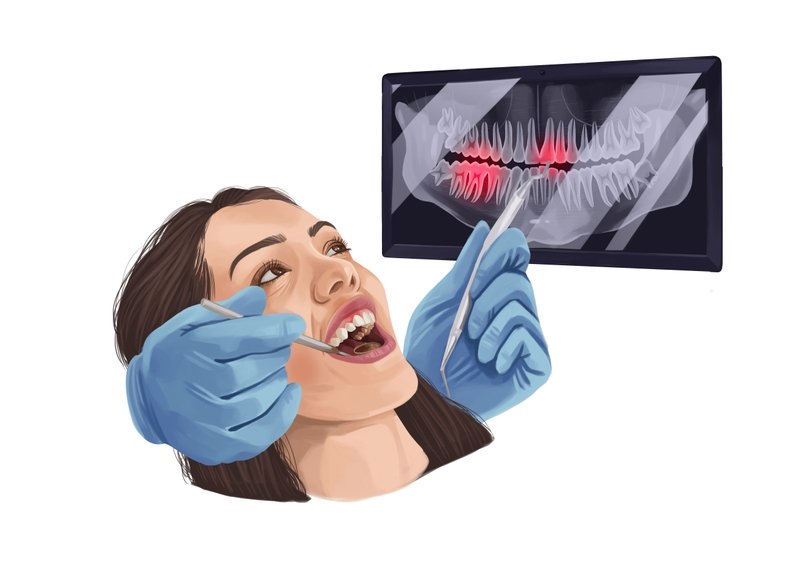
Oral Examination
A thorough check of your lips, tongue, cheeks, gums, and mouth lining, looking for ulcers, patches, or lumps, combined with a biopsy or imaging tests when needed to confirm an accurate diagnosis.
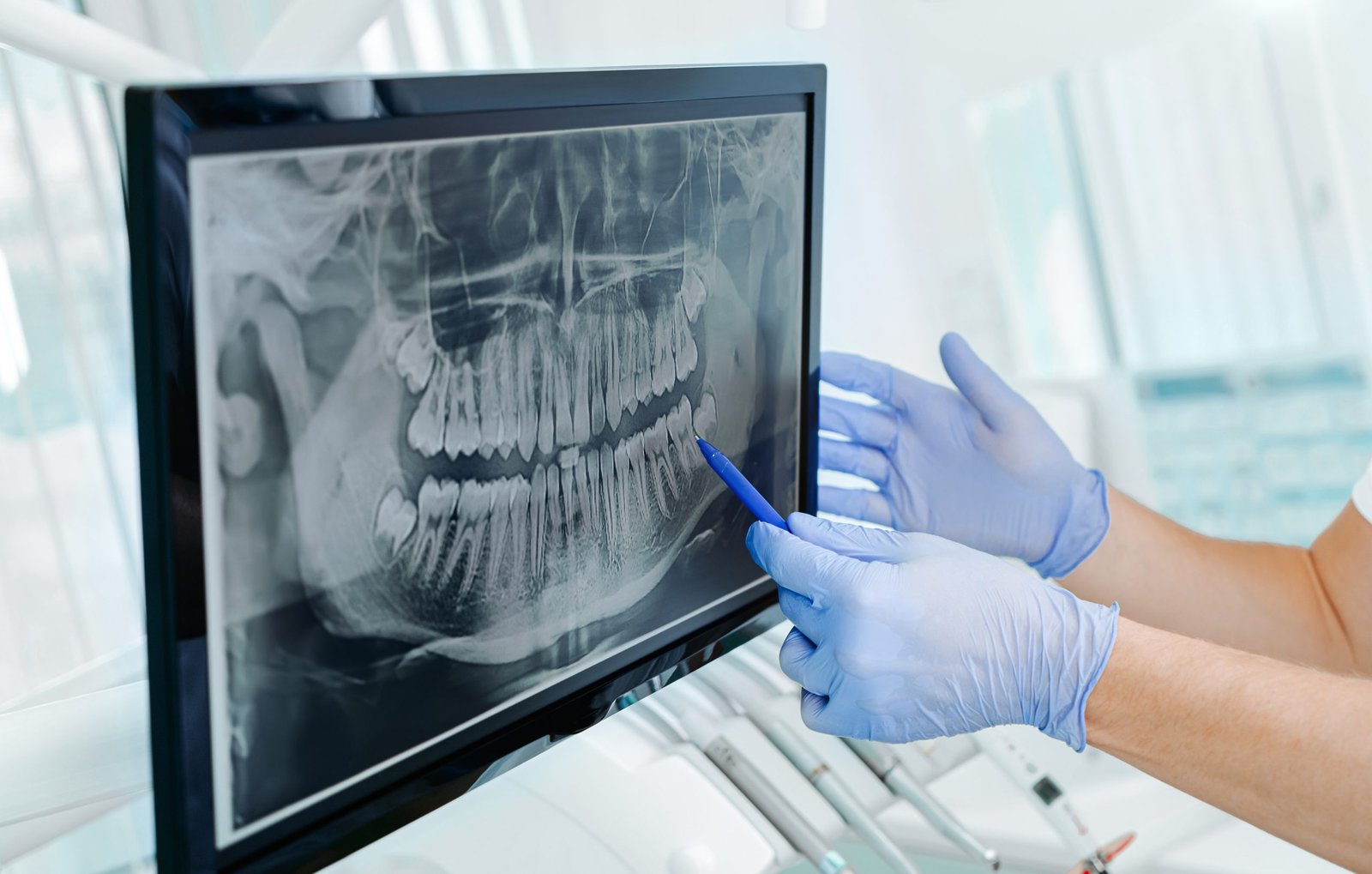
Diagnosis
We determine the stage and extent of the cancer through detailed test results, helping us understand exactly what we're dealing with before creating a treatment plan suited to your specific condition.
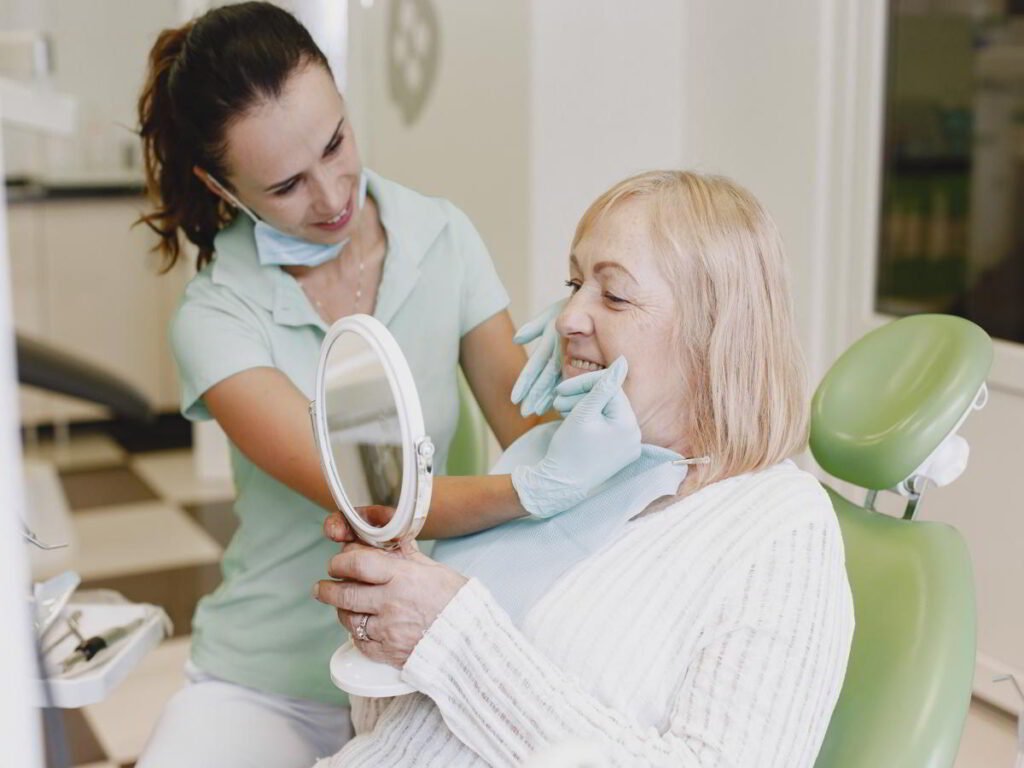
Personalized Treatment Plan
Every case of oral cancer is different. Based on the type, location, and stage, our team creates a treatment plan tailored to your exact condition, giving you clear, personalized care at every step.
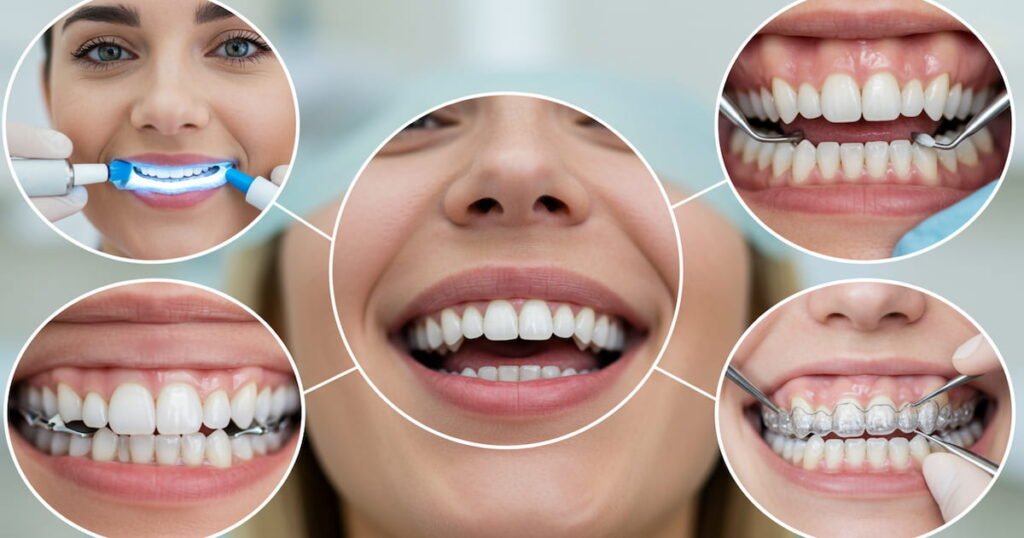
Treatment
Based on the diagnosis and stage, treatment may include surgery, radiation therapy, chemotherapy, targeted therapy, or a combination of these, carefully planned to give you the most effective, personalized care.
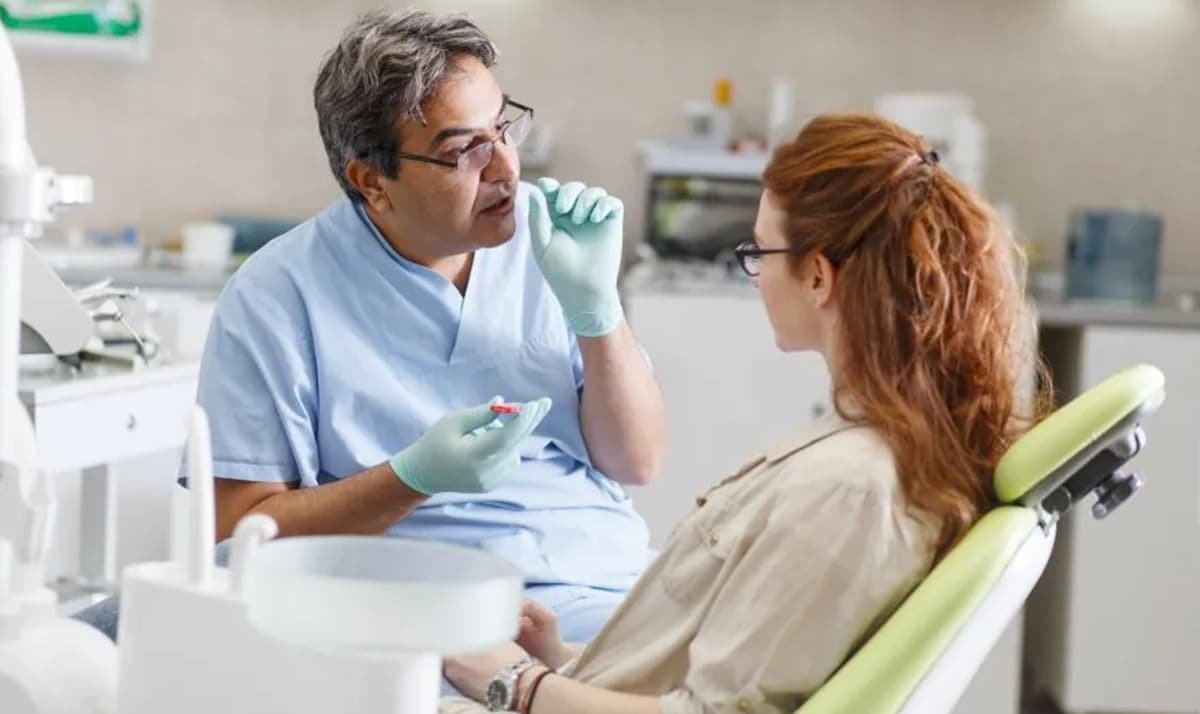
Recovery & Follow-Up
After treatment, we schedule regular follow-up visits to monitor healing, manage any side effects, and check for early signs of recurrence, helping you recover safely and stay on track for the long term.
Why Choose Us

Why choose Dental Zone for Oral Cancer Treatment in Patna?
When it comes to cancer, early checkups and the right care matter. At Dental Comfort Zone, our experienced doctors offer clear guidance and modern care to support you every step.
- A careful, unhurried examination of the whole mouth and neck
-
Clear explanations of what we see and what it means, without alarm
-
Documentation with an intraoral camera so changes can be tracked
-
Help with the next step, including biopsy guidance and referral to cancer specialists
-
Experienced dental team led by Dr. Rohit Singh (FICOI, 18+ years of clinical experience). See his profile and the dental team.
-
Transparency: read our customer reviews, take the clinic tour, or see our credibility page
Ready To Transform Your Smile With Expert Dental Care?
Book your appointment today and experience advanced cosmetic dentistry treatments designed to give you a healthy and confident smile.