

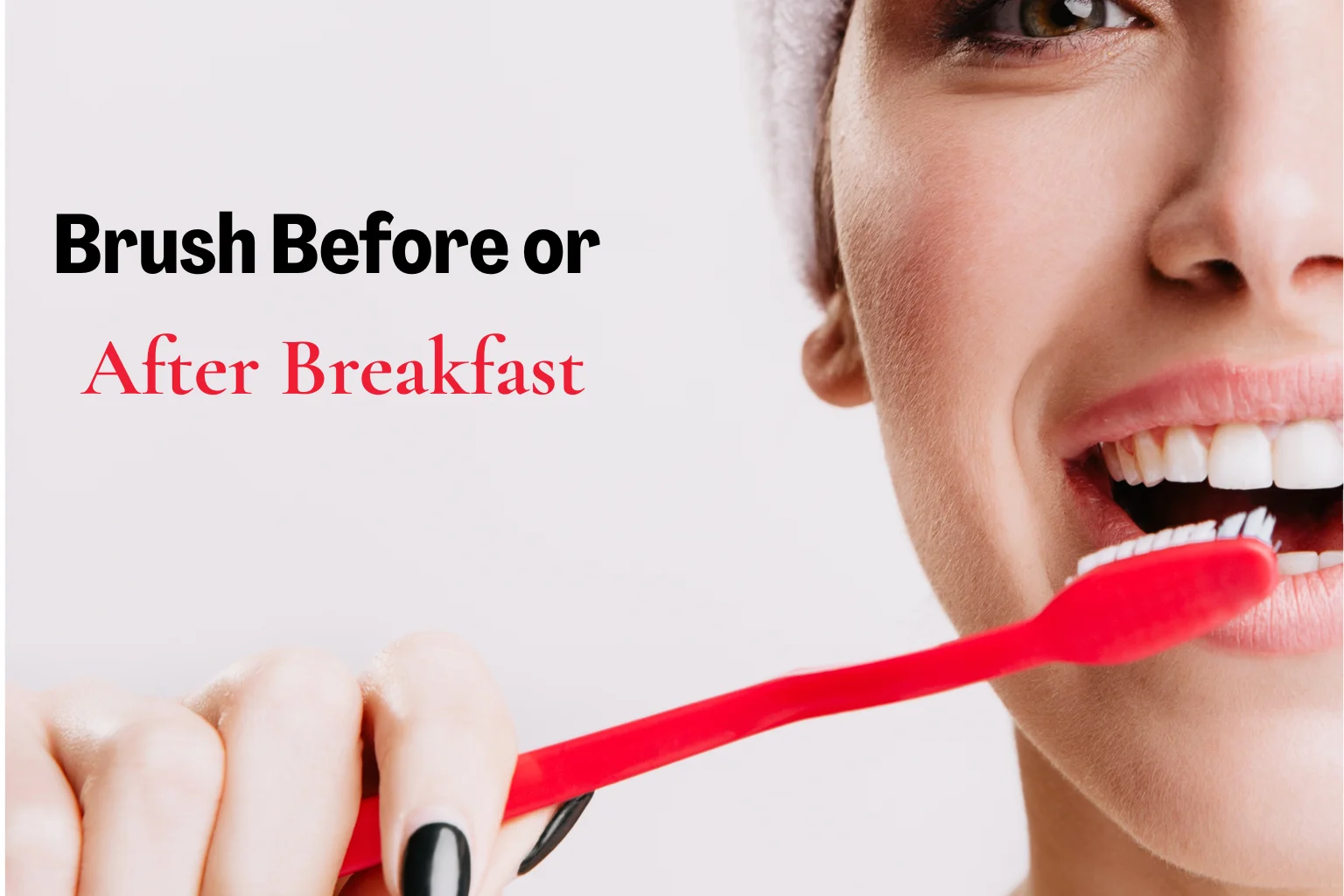
For most people, brushing before breakfast is the better habit. It clears the plaque that built up overnight and puts fluoride on your enamel before food arrives. If you prefer brushing after eating, wait about 30 to 60 minutes, especially after juice, citrus, coffee, or soft drinks. Brushing twice a day for two minutes matters more than the exact minute you pick, so choose a routine you can keep.
Picture a normal morning: the alarm goes off, you make chai or coffee, grab some fruit, and squeeze in a quick brush somewhere. Most of us never think about the order. Yet the best time to brush your teeth can change how well your enamel handles the day ahead. This guide explains the reasons in plain language, using guidance from the American Dental Association.
Why the Timing of Brushing Matters
Timing matters because your mouth is not the same all day. Overnight, saliva flow drops. Saliva normally rinses away food and neutralizes acid, so with less of it, bacteria and plaque settle in. After you eat or drink something acidic, your enamel also softens for a short while. Finding the best time to brush your teeth means brushing when your enamel is strong and your plaque is ready to be removed.
Brushing at the wrong moment will not ruin your teeth in a day. But repeated over years, small habits add up, including brushing hard on softened enamel or skipping the night-time brush. That is why dentists pay attention to when you brush, not just how often.
Morning vs Night Brushing: Which Matters More?
Both matter, because they do different jobs. If you could only brush once, night brushing wins.
-
Morning brushing removes overnight plaque, freshens your breath, and coats your teeth with fluoride before breakfast.
-
Night brushing removes the day's food and plaque before the hours when saliva is lowest and your teeth have the least natural protection.
A simple way to remember it: morning brushing protects you into the day, and night brushing protects you through the night. Skipping either leaves a gap. The best time to brush your teeth is therefore twice a day, not once.
Should You Brush Teeth Before or After Breakfast?
If you are wondering whether to brush teeth before or after breakfast, brushing before is the safer default for most people. It avoids the main problem with brushing after acidic foods have just softened the enamel.
Why Brushing Before Breakfast Works for Most People
-
It removes overnight plaque. You clear bacteria away before they mix with your food.
-
It puts fluoride on first. Your enamel gets a protective layer before breakfast.
-
It wakes up saliva. A small study in older adults found saliva flow rose for several minutes after brushing, which helps while you eat (check the original study before quoting this elsewhere).
-
It needs no clock-watching. There is no waiting period to remember.
Brushing After Breakfast: How to Do It Safely
Many people feel unfinished without a post-meal brush, and that is fine if you do it carefully. Rinse with water right after eating. Wait before brushing, especially after acidic food. Then brush gently with a soft-bristled brush. If you brush teeth before or after breakfast depending on the day, this routine keeps your enamel safe either way.
|
Brush before breakfast. |
Brush after breakfast |
|
|
Overnight plaque |
Removed before eating |
Stays until you brush |
|
Fluoride timing |
On teeth before food |
Applied after food |
|
Acid risk |
Avoided |
Wait before brushing. |
|
Effort |
Simple |
Needs a short wait |
|
Best for |
Most people |
Those who like a clean mouth after meals |
Brushing Teeth at Night: Why You Should Never Skip It
The best time to brush your teeth at night is right before bed, after your last meal or snack. This is the brush that matters most if you ever have to choose, because saliva is at its lowest while you sleep.
When plaque and food stay on your teeth overnight, bacteria feed on them and make acid that attacks enamel. Over time this raises the risk of cavities, gum inflammation, and bad breath. A simple evening routine:
-
Finish eating and drinking for the evening.
-
Clean between your teeth with floss or an interdental brush.
-
Brush for two minutes with fluoride toothpaste.
-
Spit, but do not rinse heavily, so fluoride stays on your teeth.
-
No more snacks. Water is fine.
How Long to Wait to Brush After Eating
Knowing how long to wait to brush teeth after eating is the part most people get wrong. After acidic foods or drinks, enamel is briefly softer. Saliva gradually neutralizes the acid and lets minerals settle back, so brushing too soon means scrubbing a weakened surface.
Why You See 30 Minutes and 60 Minutes
Different dental sources give different numbers, and both are reasonable. Many dentists suggest around 30 minutes. The ADA's consumer guidance on dietary acids suggests waiting about an hour after acidic foods. A simple rule for how long to wait to brush teeth after eating: wait at least 30 minutes, and closer to 60 minutes after strongly acidic drinks. If unsure, wait longer.
Wait-Time Cheat Sheet
|
What you ate or drank |
Suggested wait before brushing |
|
Orange juice, citrus fruit, lemon water |
About 60 minutes |
|
Soft drinks, energy drinks |
About 60 minutes |
|
Coffee or tea (more so with sugar) |
About 30 minutes |
|
Sweets, pastries, dried fruit |
About 30 minutes |
|
Plain meals (eggs, oats, toast) |
Brush at a convenient time; 30 minutes is a safe habit. |
This table is general guidance on how long to wait to brush teeth after eating. Your dentist can adjust it for your enamel and diet. Only the 60-minute figure for acidic foods comes directly from the ADA.
While you wait, drink water, rinse your mouth, or chew sugar-free gum. These help wash away acid and sugar without brushing, and they keep the best time to brush your teeth a safe one.
How Many Times a Day and How Long Should You Brush Your Teeth?
The ADA recommends brushing twice a day for two minutes each time. The best time to brush your teeth is not after every meal, so you do not need to brush more often than that. For a midday freshen-up, rinse with water, chew sugar-free gum, or clean between your teeth.
Two minutes is longer than it feels. Many people brush for about half that. Try a timer or an electric toothbrush with a built-in timer, and divide your mouth into four sections of about 30 seconds each. Brushing more often or harder than needed does not clean better. It mainly wears enamel and irritates gums.
Fluoride Toothpaste Brushing and Common Mistakes to Avoid
Fluoride helps strengthen enamel and protect against decay, which is why fluoride toothpaste brushing is the core of any routine. Timing and fluoride work together, since the best time to brush your teeth is when fluoride can sit on clean enamel. Use a pea-sized amount, spit afterward, and avoid rinsing heavily so the fluoride stays on your teeth longer.
Good technique:
-
Use a soft-bristled brush.
-
Angle the bristles toward the gumline.
-
Use small, gentle circles instead of hard scrubbing.
-
Clean outer, inner, and chewing surfaces.
-
Gently brush your tongue.
-
Replace your toothbrush about every three to four months.
Common mistakes:
-
Brushing for 30 seconds and calling it done
-
Scrubbing too hard
-
Brushing right after juice, citrus, or soft drinks
-
Skipping the night brush
-
Using a worn-out toothbrush
-
Using too much toothpaste
-
Treating brushing as a substitute for dental check-ups
Even people who know the best time to brush your teeth can slip up on these basics.
Different people, small adjustments: children need supervised brushing with age-appropriate toothpaste; braces and aligner wearers should brush more carefully after meals; people with sensitive teeth should use a soft brush and gentle strokes; and after acid reflux, rinse with water and wait before brushing.
When to See a Dentist
Even if you have the best time to brush your teeth figured out, brushing cannot remove hardened tartar or catch early decay. Book a visit if you notice:
-
Bleeding or swollen gums
-
Tooth sensitivity that does not settle
-
Bad breath that stays despite good brushing
-
Tooth pain, or a chipped or loose tooth
-
Cavities that keep coming back
Early checks usually mean simpler treatment, and a dentist can also tell you how long to wait to brush teeth after eating for your own enamel. A professional cleaning every six months works for many people, though your dentist may suggest a different schedule.
Why Choose Dental Comfort Zone, Patna, for Your Dental Care?
Brushing at home is your daily defense. A clinic adds what you cannot do yourself: examining your teeth and gums, spotting early decay, and removing hardened tartar.
Deciding the best time to brush your teeth is easier with a professional's input. At Dental Comfort Zone in Patna, a visit starts with a proper examination and a treatment plan built around your own teeth. Preventive care includes professional cleaning and polishing , gum care Gum Treatment, and general dentistry. The clinic also uses digital tools such as imaging and intraoral scanning when a case needs them.
What helps most is personal advice. Your habits are your own, whether it is an acidic breakfast, a coffee routine, or night-time snacking, and a dentist can fine-tune guidance around them. If the best time to brush your teeth still feels unclear for your situation, ask during your next visit.
Frequently Asked Questions
Is it better to brush your teeth before or after breakfast?
For most people, before. It removes overnight plaque, applies fluoride before food, and avoids brushing softened enamel.
How long should I wait to brush after eating?
About 30 minutes after most foods, and closer to 60 minutes after acidic foods and drinks, in line with ADA guidance.
Can I brush right after coffee or orange juice?
It is better to rinse with water and wait. Both are acidic, and orange juice is more so.
Should I brush after every meal?
No. Twice a day is enough. Between brushings, rinse with water or chew sugar-free gum.
Is night brushing more important than morning brushing?
If you can only do one, at night, because saliva is lowest during sleep. Aim for both.
What if I forget to brush in the morning?
Brush when you remember and keep your night brush consistent. One missed brush is not a big problem.
Is mouthwash a replacement for brushing?
No. Mouthwash is an extra, not a substitute for brushing and cleaning between your teeth.
Can brushing too hard damage my teeth?
Yes. Heavy pressure can wear enamel and irritate gums. A soft brush with gentle strokes cleans just as well.