


Missing teeth can make simple things difficult. Eating becomes painful, smiling feels uncomfortable, and speaking clearly may also become more difficult. That is why many people choose dental implants today.
Dental implants look natural and work like real teeth. But before treatment, most people want to know one thing first: what is the real dental implant success rate?
The good news is that dental implants are one of the most successful treatments in modern dentistry. According to the Cleveland Clinic, dental implants can last for many years when patients maintain healthy gums and good oral hygiene.
What Is the Dental Implant Success Rate?
The dental implant success rate is very high in healthy patients. In most cases, implants work successfully for many years without major problems.
Success depends on several important things, such as:
-
Healthy gums
-
Strong jawbone
-
Good oral hygiene
-
Proper dental care
-
Healthy lifestyle habits
When patients take care of their mouths properly, implants usually remain strong for a long time.
How Dental Implants Work
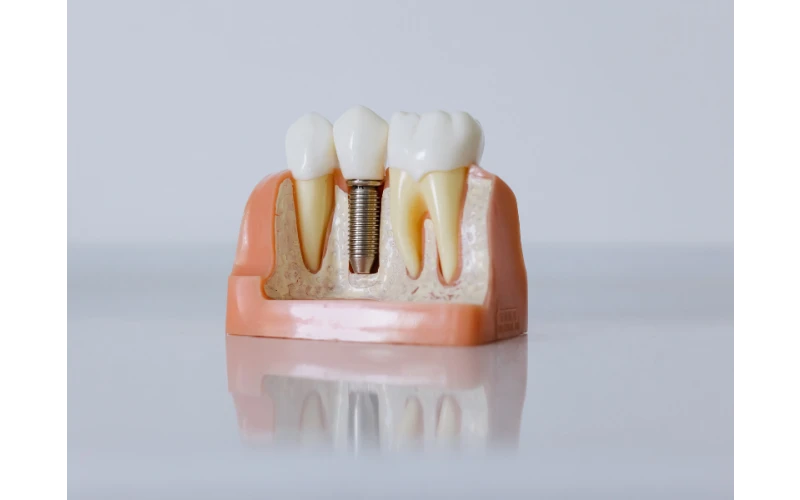
Dental implants replace missing tooth roots with a small titanium post placed inside the jawbone. After placement, the bone slowly joins with the implant through a process called osseointegration. This process helps the implant become stable and strong.
Because of osseointegration, implants feel more natural than removable dentures. A strong bond between the implant and jawbone improves the overall dental implant success rate.
Dental Implant Success Rate in India
The implant success rate in India has improved a lot over the last few years. Modern clinics now use better technology, digital scanning, and advanced treatment methods.
Experienced dentists in India follow international treatment standards. Success mainly depends on the patient’s gum health, oral hygiene, and proper aftercare. Choosing an experienced dental clinic also improves the overall dental implant success rate.
Gum Health Is Very Important
Healthy gums are necessary for successful implants.
Problems like:
-
gum disease
-
gingivitis
-
gum inflammation
-
infected gums
can reduce healing and create complications. Dentists often suggest gum inflammation treatment before implant surgery if the gums are swollen or infected.
Healthy gums help implants heal properly and improve the long-term dental implant success rate.
Oral Hygiene Helps Implants Last Longer
Good oral hygiene is one of the biggest reasons behind successful implants. Some people think artificial teeth do not need cleaning. That is not true. Plaque and bacteria can still damage the gums around implants.
To maintain good dental health care, patients should:
-
Brush twice daily
-
Floss regularly
-
Clean interdental spaces
-
Visit the dentist regularly
-
Maintain good mouth hygiene
Simple daily habits help implants stay healthy for many years.
What Can Reduce Dental Implant Success Rate?
Even though the dental implant success rate is high, some problems can reduce success.
Common reasons include:
-
Smoking
-
Poor oral hygiene
-
Weak gums
-
Teeth grinding
-
Untreated diabetes
-
Bone loss
Smoking especially slows healing and affects osseointegration. Ignoring gum problems after surgery can also create an infection around the implant.
Gingivitis Treatment Before Dental Implants
Dentists always check the gums before implant treatment. If someone has gingivitis or infected gums, dentists first recommend gingivitis treatment and proper cleaning.
Treating gum infection before surgery helps the gums heal better and improves implant stability.
Healthy gums create a better foundation for implants.
Does Age Matter for Dental Implants?
Many older adults think implants are only for young people. That is not true.
Dentists care more about:
-
Bone health
-
Gum condition
-
Oral hygiene
-
Overall health
Many older patients get excellent results from implants. Good care matters more than age.
How Long Do Dental Implants Last?
Dental implants can last for many years with proper care. Many patients keep their implants healthy for 15 years or more.
To improve the dental implant success rate, dentists recommend:
-
Regular dental check-ups
-
Healthy eating habits
-
Avoiding tobacco
-
Proper cleaning every day
Your implant needs care just like natural teeth.
Dental Implants for Missing Teeth
Dental Implants help replace missing teeth naturally and improve confidence while eating, speaking, and smiling. Modern implants look and feel very close to real teeth, which makes them a trusted option for many adults.
General Dentistry Supports Healthy Teeth
General Dentistry focuses on maintaining healthy teeth and gums through regular check-ups, cleaning, and preventive care. Early treatment helps reduce dental problems and supports long-term oral health.
Gum Treatment Improves Gum Health
Gum Treatment helps reduce swelling, bleeding, and infection caused by unhealthy gums. Healthy gums are important for strong teeth, better oral hygiene, and successful dental treatments.
Pediatric Dentistry for Children’s Oral Care
Pediatric Dentistry focuses on protecting children’s teeth from cavities and gum problems from an early age. Regular dental visits help children develop healthy brushing habits and maintain strong teeth as they grow.
Why Choose Dental Comfort Zone
Dental Comfort Zone provides advanced dental implant treatment with patient-friendly care and modern technology.
Their dental team focuses on:
-
Implant consultation
-
Gum care
-
Oral hygiene guidance
-
Preventive dental care
-
Smile restoration
They also educate patients about gum health and aftercare because these factors strongly affect the dental implant success rate.
Patients can learn more at
Dental Comfort Zone Official Website
Simple Tips for Better Implant Success
You can improve implant results by following simple habits:
-
Brush properly every day
-
Keep gums healthy
-
Avoid smoking
-
Visit your dentist regularly
-
Follow aftercare instructions carefully
These small steps improve the long-term dental implant success rate.
Frequently Asked Questions
1. What is the fail rate of dental implants?
Dental implants have a success rate of about 95–98%, so the failure rate is generally only 2–5%.
2. Which is healthier, a root canal or an implant?
A root canal is usually preferred because it saves your natural tooth whenever possible.
3. What happens after 20 years of dental implants?
With proper care and oral hygiene, many dental implants remain strong and functional even after 20 years.
4. What is the biggest problem with dental implants?
The biggest risk is peri-implantitis, an infection around the implant caused by poor oral hygiene.
5. How painful is dental implant recovery?
Most patients experience mild discomfort and swelling for a few days, which can be managed with medication.
Conclusion
The modern dental implant success rate is very high when patients maintain healthy gums and proper oral hygiene. Dental implants can improve comfort, confidence, and daily life. But long-term success depends on regular care and healthy habits.
Healthy gums, clean teeth, and regular dental visits help implants stay strong for many years. Because even the best dental treatment works better when you take care of your smile every day.